


 Translated from Português (Brazil) • View original
 Aiming to bring maturity to the Brazilian ecosystem, Bradesco's co-innovation environment bets on connecting with international startups
How to generate innovation without the power of encounter? This is a question that the Brazilian ecosystem as a whole has been asking for at least a year and five months, when the coronavirus pandemic hit the country. Since then, much has been said about the strengthening of digital connections and the adaptation that this (no longer so) new moment has brought to entrepreneurs. At inovabra habitat, Bradesco's co-innovation environment, it was no different.
Renata Petrovic, head of habitat, told PEGN some choices she had to make to transform the space known for its face-to-face events into a business aligned with the new times. The first and most important of them was the creation of the connected habitat, a digital platform that allowed startups and large companies from all over the country to be part of Bradesco's innovation ecosystem. Today, there are 200 startups and 73 corporations within the platform. But the biggest result of this change, says Petrovic, was the entry of international businesses into the network.
Startups from Sweden, Japan, the United Kingdom, the United States, and Mexico are now present in Brazil, operating through inovabra habitat. "From the moment you remove the need for a physical space, you open up a range for international prospecting," says the executive. PEGN talked to some of these companies to understand what motivated them to set up in Brazil in the middle of the pandemic. For Petrovic, there are a sum of factors. "The Brazilian market has matured in terms of access to capital and regulation, such as open banking," he says.
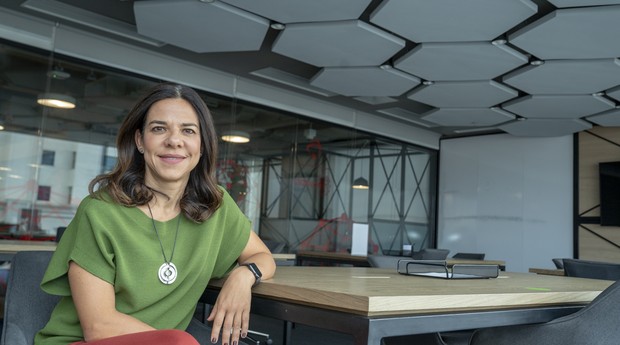
Renata Petrovic, head of inovabra habitat (Photo: Disclosure)
In recent months alone, the country has seen the arrival of the Mexican unicorn Kavak, which buys and sells used cars, and the Indian BYJU'S Future School, which teaches programming. Another case was that of the Colombian company Frubana, a one-stop-shop e-commerce platform for restaurants, which settled in the country after an investment of R$ 352 million.
An internal example of the habitat is the Swedish company Goalplan, which offers a SaaS (software as a service) for sales organizations. Rafael Faria, a spokesman for the company in Brazil, said that the Brazilian market today is one of the most important in the world. "The ability of Brazilian companies to interact with innovation caught our attention," he says. Another point is the location within Latin America. "It is a global reference."
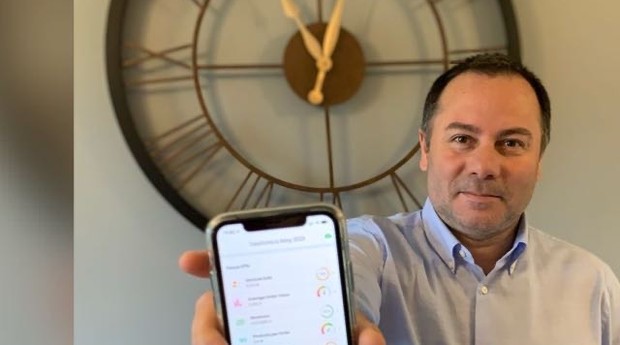
Rafael Faria, spokesperson for Goalplan (Photo: Disclosure)
The startup arrived at the beginning of the pandemic, interacting with areas of Bradesco. Now, it is preparing to open its headquarters in the country — which will be located in the habitat. "We are in initial operation, with some customers, and excited about what Brazil can offer us," says Faria. For the entrepreneur, there is potential in the exchange between the two ecosystems. "Swedish companies bring to Brazil the 'serious' style of doing business and providing technology, but we are also sure that Brazilian entrepreneurs will bring us a lot of learning."

Daniel Alves, spokesperson for Colorkrew (Photo: Disclosure)
Another company that started its venture in Brazil was the Japanese Colorkrew, a corporate social network focused on employee productivity. Daniel Alves, partner and spokesperson for the company in the country, says that the brand was attracted by the growth of the software industry in Brazil. "It is a market that does not demand so much labor, it is scalable, and cultural distance is not a problem," he says. The startup has been in the country since January 2020, with a team of seven people. Among the clients are companies such as Oi, Syngenta, and Insper. "Now, it's time to step on the accelerator with the post-vaccine recovery," says Alves.
For Petrovic, the companies illustrate a new phase of the innovation environment, which will increasingly turn to the world. One of the goals, he says, is to close partnerships with international hubs to foster exchange. "Our idea is to have points that give access to these markets for our startups and vice versa," he says. The process is still in the structuring phase, but the habitat looks at hubs that can stand out for themes, such as cybersecurity in Israel. "We are mapping and defining. There is a whole world to be explored."